

Water is the operational backbone of oil and gas production in the Permian Basin. And managing it well is one of the most consequential decisions an operator can make.
For every barrel of oil produced in the Permian, operators typically manage three to five barrels of water. Across the basin, produced water volumes now exceed 20 million barrels per day. Fresh water demand for hydraulic fracturing can reach 7 to 10 million gallons per well on modern long-lateral completions.
Getting this right requires more than a disposal plan. It requires a strategy that covers the full lifecycle of water in your operations — from source to frac to treatment to disposal or reuse. This guide covers each component.
1. Water Sourcing
Before water can be transferred or treated, it has to be secured.
Water sourcing in the Permian Basin involves source identification, water rights and permitting, quality assessment, and logistics coordination. Fresh water sourcing is under more pressure than it was five years ago — groundwater conservation districts are more active, competition for available supply is higher, and the permitting process has more scrutiny.
Recycled produced water is increasingly viable as an alternative to fresh water for frac operations. For operators with multiple wells in a concentrated area, produced water from existing production can supply the frac water for new completions — reducing fresh water demand and disposal volume simultaneously.
The most common mistake: starting the sourcing process when the frac is already scheduled. Permitting takes time. Source assessment takes time. The operators who don’t have water problems are the ones who treat sourcing as part of completion planning, not an afterthought.
2. Water Transfer
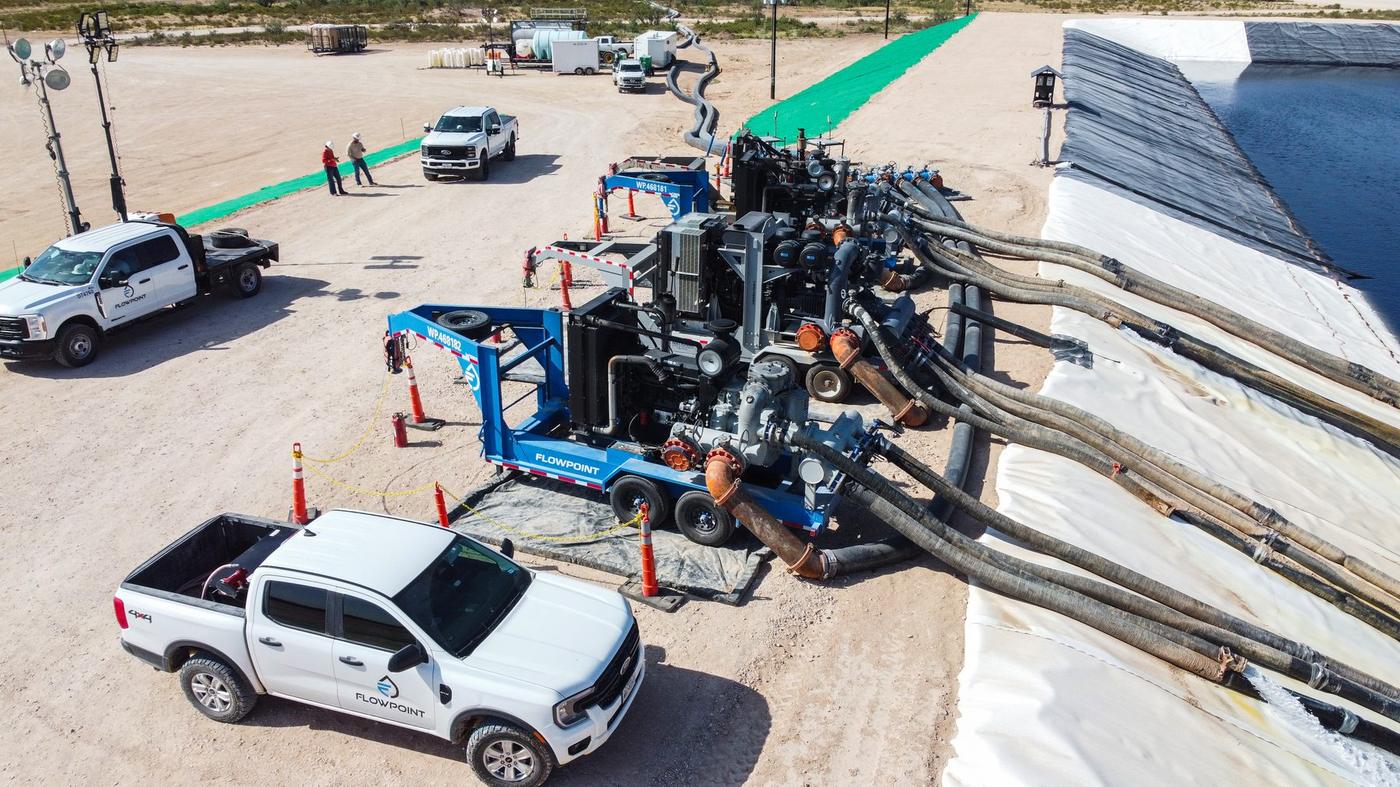
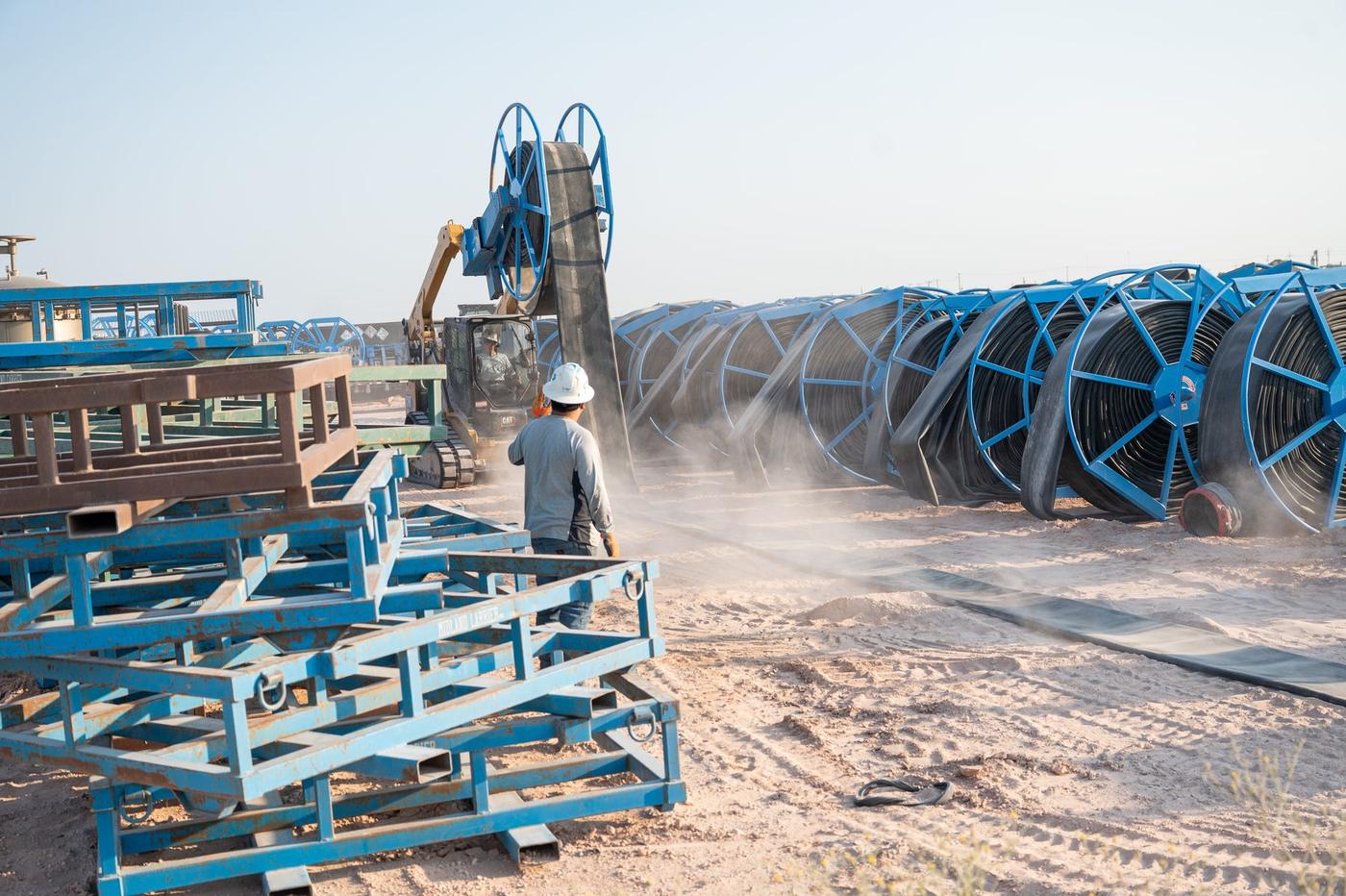
High-volume layflat hose is the workhorse of Permian frac water transfer. Modern 16” layflat systems can deliver up to 200 barrels per minute — the flow rates SimulFrac and TriFrac operations require — and can be deployed significantly faster than rigid pipe.
HDPE pipe handles the permanent infrastructure side: mainline corridors, long-term gathering systems, and any conveyance that’s intended to stay in place. In most Permian Basin operations, layflat and HDPE are complementary — HDPE for the permanent backbone, layflat for last-mile delivery to active wellheads.
Automated monitoring is the baseline for any serious transfer operation. Continuous flow rate monitoring, pressure monitoring, and leak detection catch problems in minutes, not hours. In an environment where water starving a frac brings down multiple crews at once, the difference between a one-hour response and a six-hour response is measurable in dollars.
3. Water Treatment
Not all water entering a frac program is clean enough to use without treatment. Produced water in particular requires chemistry adjustment before it meets frac spec.
On-the-fly treatment applies chemical treatment continuously as water moves through the transfer system — no offline batch processing, no schedule interruption. Real-time monitoring confirms the water is hitting spec before it reaches the wellhead. For high-volume, high-pace completions, this is the practical path to incorporating produced water without slowing the job.
Offline treatment handles water with more complex contamination profiles that requires more intensive processing. The right approach depends on your source water chemistry and your completion timeline.
4. Produced Water Recycling
Produced water recycling is moving from competitive differentiator to operational necessity.
Regulatory requirements for produced water recycling are becoming more common, signaling a shift in how the industry must approach water management. Disposal well capacity in parts of the Permian is constrained. Seismic activity linked to deep injection has drawn regulatory attention across producing basins. And fresh water sourcing costs are rising.
The economics of recycling are improving alongside the regulatory pressure. Disposal costs in constrained areas are rising. The cost of on-the-fly treatment — the technology that makes recycling practical without schedule complexity — has improved as adoption has grown.
Operators building recycling capability now are ahead of the trend. Operators waiting until it is required will face a harder transition.
5. Pit Management
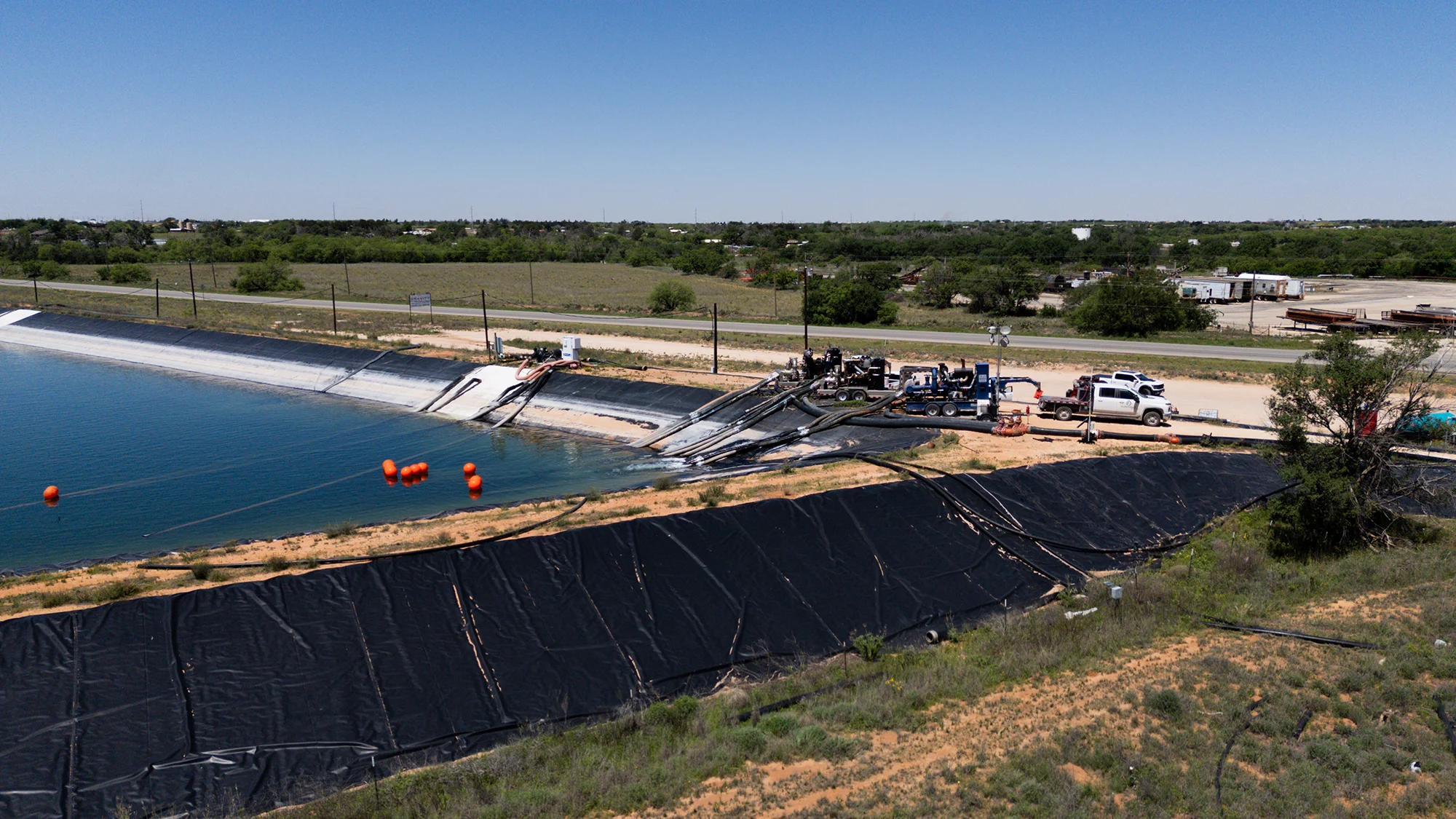
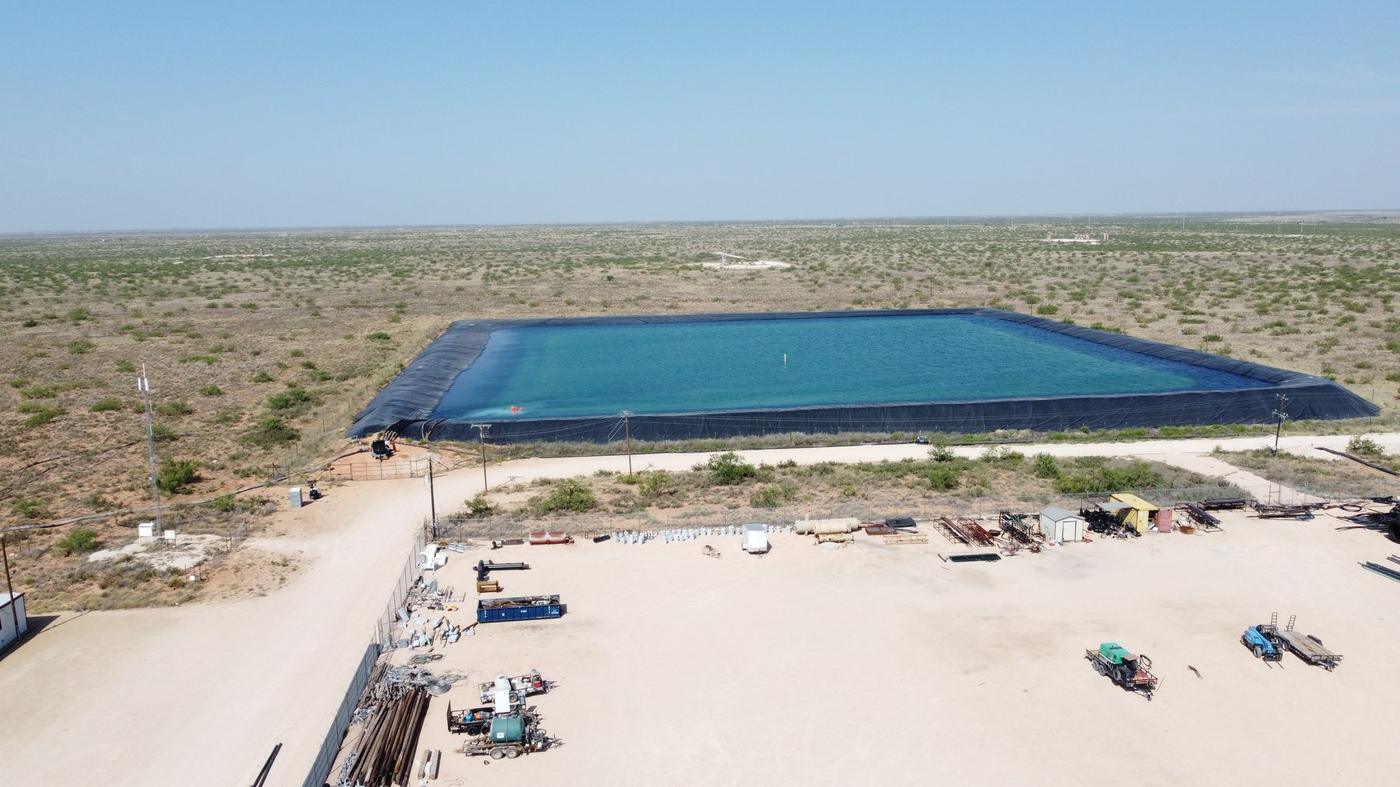
A pit is not just a holding tank. It’s the center of gravity for your water management operation — and what you know about what’s in it determines how well everything downstream runs.
Real-time pit management includes water level monitoring, water quality analytics, flow monitoring, and secondary containment integrity monitoring. When that data is available in real time, decisions about treatment ratios, transfer timing, and disposal happen with current information rather than scheduled-check data.
The quality of water going into your frac affects what comes out of your well. Pit management isn’t a compliance exercise. It’s an active input into your completion.
6. Containment
Secondary containment — pit liners, berms, contained transfer infrastructure — limits environmental liability and demonstrates regulatory compliance. Containment failures carry costs that go well beyond cleanup: regulatory penalties, reputational exposure, and the operational disruption of a spill event.
In the current regulatory environment, containment is being scrutinized more carefully than it was five years ago. The operators with documented, well-maintained containment infrastructure are the ones who don’t have surprises when an inspector shows up.
7. Automation
Automated monitoring and control systems run across every component of a modern water management operation. The value isn’t replacing experienced crews — it’s giving those crews better information, faster.
Continuous monitoring means anomalies get flagged in minutes, not discovered at the next manual check. Remote visibility means your operations team knows what’s happening on the transfer system without having to be physically present. Real-time data from the pit to the wellhead gives everyone in the chain the information they need to make good decisions.
Choosing a Water Management Partner
Each of these components — sourcing, transfer, treatment, recycling, pit management, containment, automation — is something operators can try to manage through separate vendors. Most who’ve tried it prefer not to do it again.
A full-cycle water management partner brings all of it under one relationship. One point of contact. One operating standard. One team accountable for the whole chain — from the first permit application to the last barrel disposed or recycled.
That’s the business Flowpoint is in.
Flowpoint Services LLC provides full-cycle oilfield water management for E&P operators in the Permian Basin — water sourcing, automated transfer, on-the-fly treatment, produced water recycling, pit management, HDPE pipe, and secondary containment. Midland, TX based. Get in touch.
.svg)

