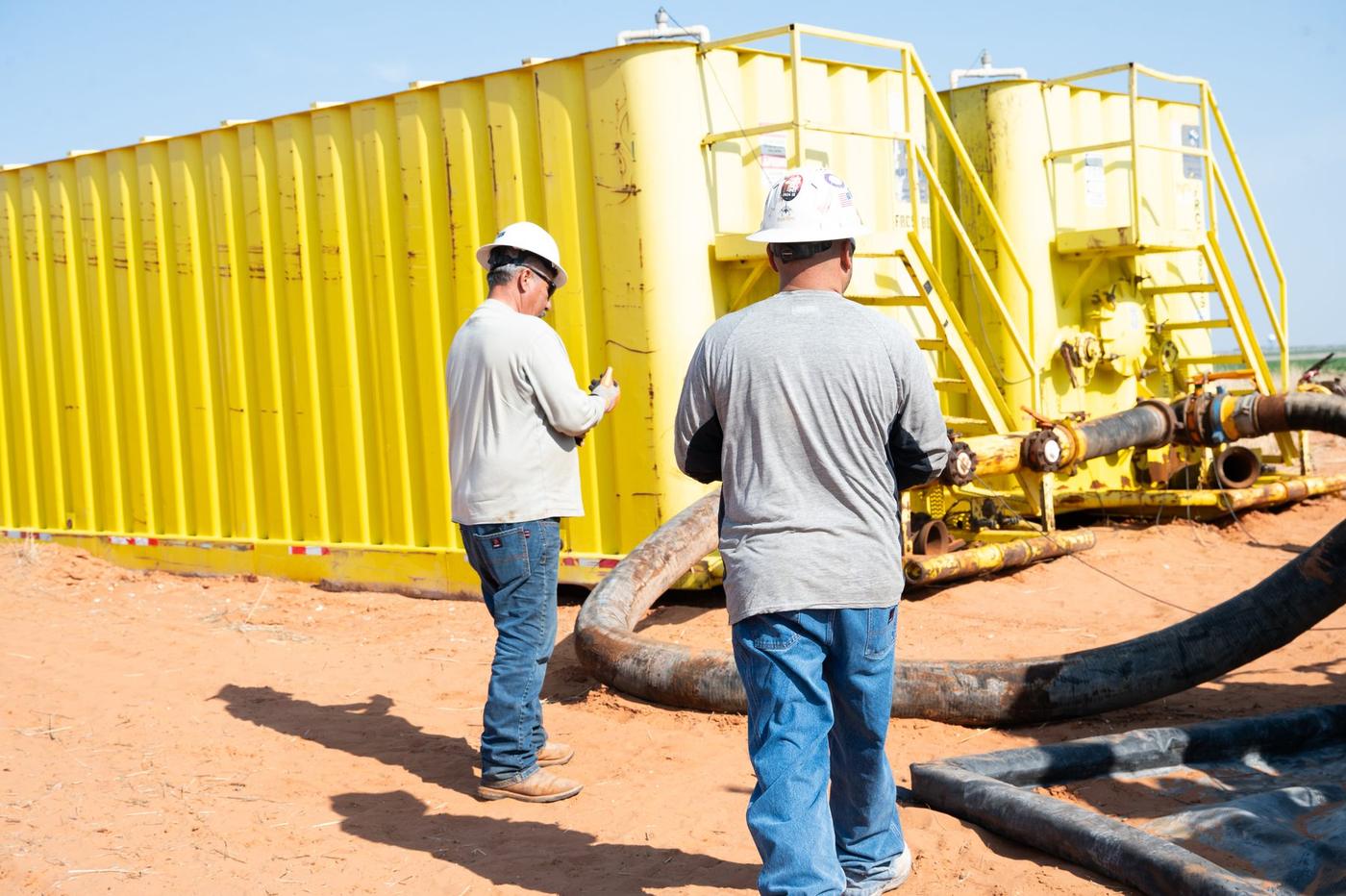
One operator has a completion coming up and needs frac water. A few miles away, another operator has produced water piling up in a pit and a disposal invoice growing with it. Both of them are about to pay to solve a problem the other one would pay to have.
That is the logic of a water swap, and in the Permian Basin it is becoming one of the more practical sourcing options an operator has. Here is how it works, when it makes sense, and what has to be true for it to go smoothly.
What a Water Swap Is
A water swap is an arrangement where water moves from an operator who has a surplus to one who has a need, in exchange for money, for water back later, or for both. The surplus is usually produced water; the need is usually frac supply. Sometimes it runs the other direction, with fresh water moving from an operator who over-sourced to one who came up short.
The swap can be a direct agreement between the two operators, or it can run through a third party who manages the water on both ends. Either way, the barrel that would have gone to a disposal well goes into a frac instead, and the barrel of fresh water that would have been pumped stays in the ground.
Why Swaps Are Growing
Three things are pushing swaps from occasional to routine.
Disposal is getting tighter. Injection capacity in parts of the basin is constrained, and regulators in both Texas and New Mexico are watching volumes more closely. Every barrel an operator can send somewhere other than a disposal well is a barrel that does not count against that constraint.
Fresh water is getting more expensive. Groundwater districts are more active, landowners know what water is worth, and competition for supply is up. Treated produced water is often the cheaper barrel.
On-the-fly treatment made it practical. The reason swaps used to be rare is that produced water is not frac-ready out of the pit. Continuous chemical treatment as the water moves, with real-time monitoring confirming it is hitting spec, means an operator can take a neighbor’s produced water and put it in a frac without adding a batch treatment step to the schedule.
What Has to Be True for a Swap to Work
Swaps fail on details. Four of them matter most.
Proximity. The two operators need to be close enough that the water can move by pipe or layflat. If it has to be trucked, the economics collapse.
Chemistry. The receiving operator needs to know exactly what is in the water and what treatment it will take to meet their frac spec. Testing up front, and monitoring during, are not optional.
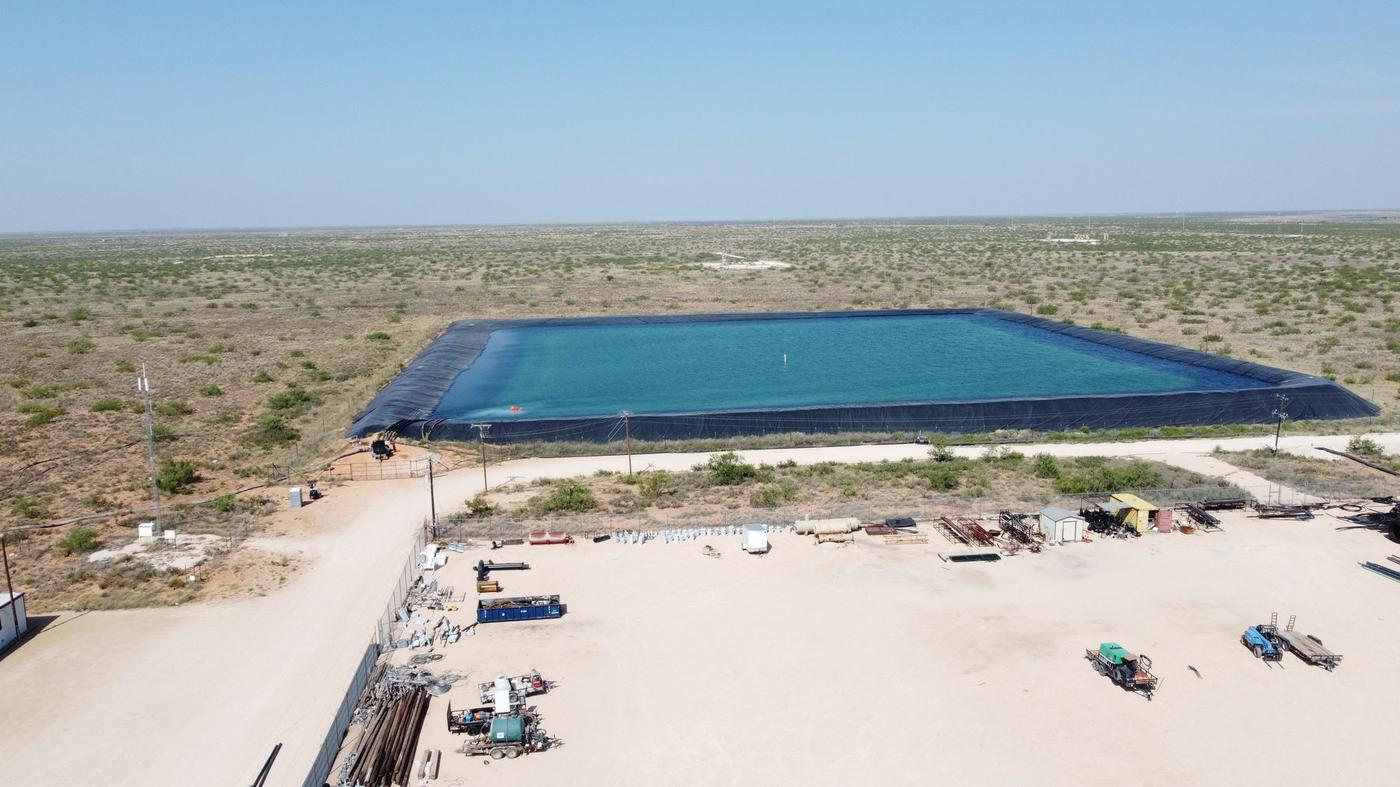
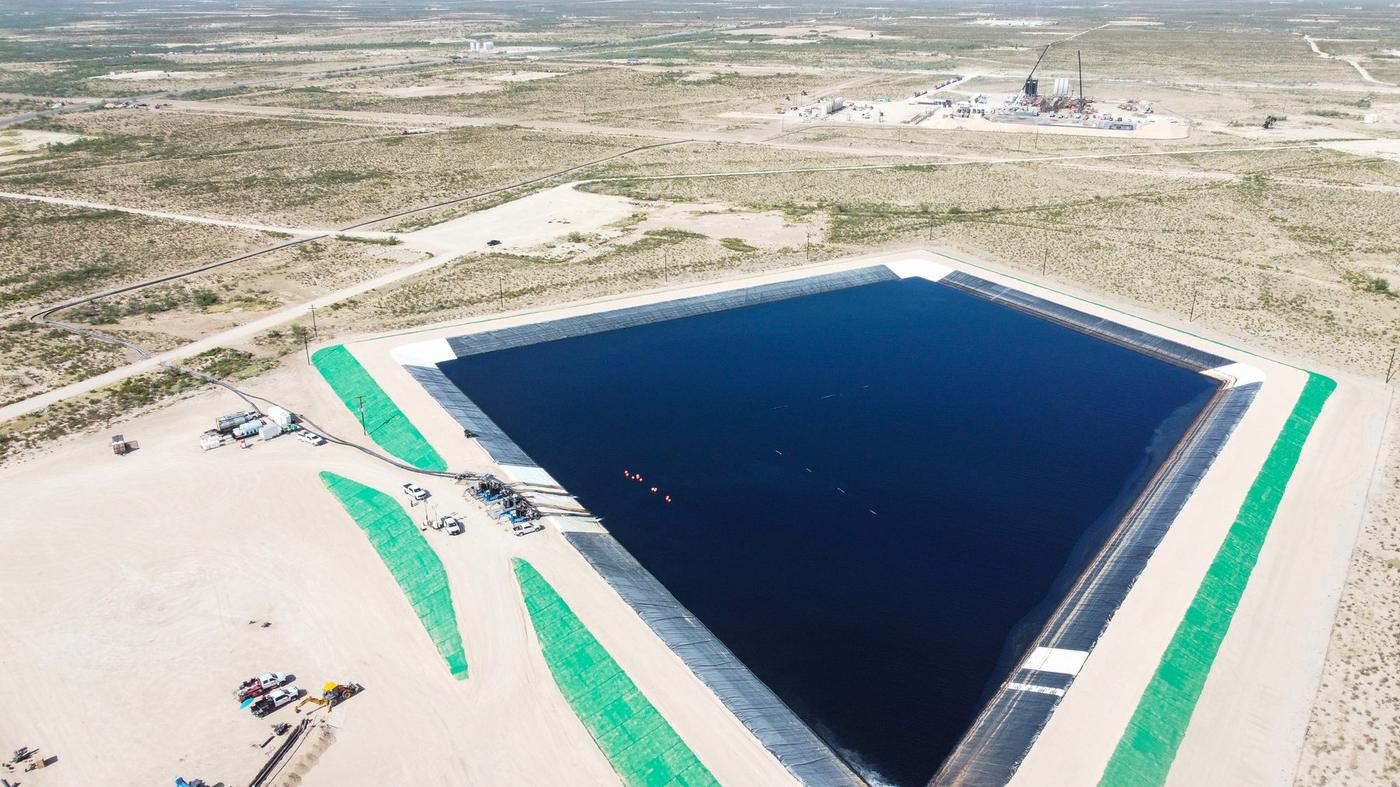
Timing. The surplus and the need have to overlap. Produced water accumulates continuously; frac demand comes in bursts. Storage on one end, or a pit that can hold water between jobs, is often what makes the timing work.
Metering and agreement. Both sides need a meter they trust and an agreement that spells out volume, quality, price, and what happens if the water is off spec. Handshake swaps end badly.
Where a Water Management Partner Fits
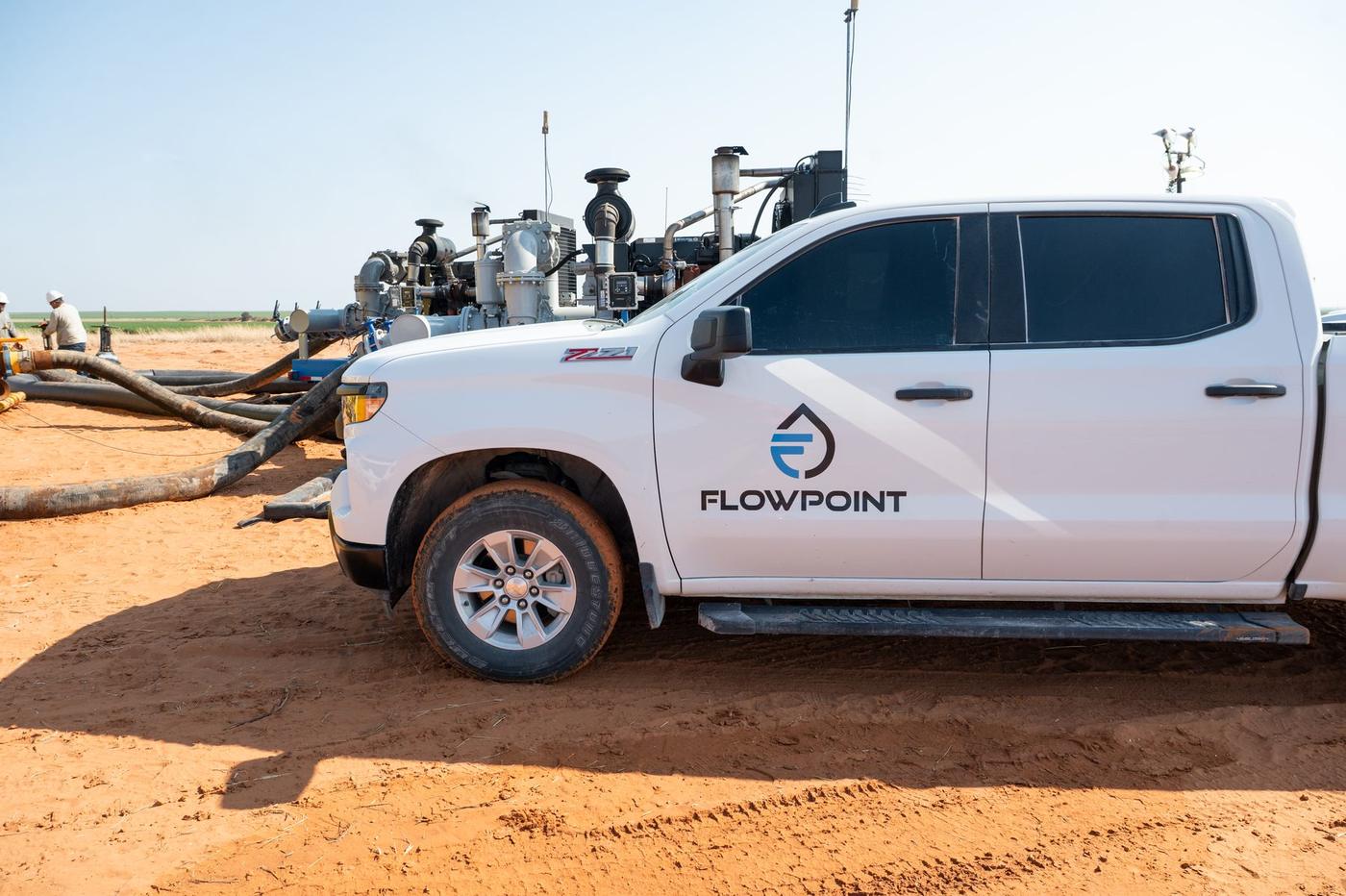
A swap touches every part of the water chain at once: sourcing, transfer, treatment, monitoring, and storage. It is easier when one partner handles the whole chain. Flowpoint provides water sourcing that includes fresh water, produced water, and water swaps, and the transfer, on-the-fly treatment, and pit management to make the swap work in practice, not just on paper.
The Bottom Line
The Permian has more produced water than it can comfortably dispose of and less fresh water than it wants to pump. A water swap puts those two facts to work against each other. For operators with a neighbor in the right place at the right time, it is worth a hard look before the next fresh water contract gets signed.
Flowpoint provides water sourcing, transfer, treatment, recycling, and full-cycle water management across the Permian Basin. If you want to know whether a swap makes sense for your next completion, we are in Midland. Get in touch.