Every safety manual in the oilfield says any worker can stop the job. Fewer companies mean it, and the crews can tell the difference within a week.
Stop-work authority is the single most important safety control on a water transfer location, and the hardest to get right, because it lives entirely in whether people believe it. A rule nobody trusts is a rule nobody uses. Here is how it works on a Flowpoint job, and why it makes the job faster, not slower.
What Stop-Work Authority Actually Means
The definition is simple. Any crew member who sees a condition they believe is unsafe has the authority and the responsibility to stop the work, without asking permission and without fear of being punished for it. The work stays stopped until the condition is corrected or shown to be safe, and the decision to restart is made on the merits, not on the schedule.
The words are easy. The practice depends on three things: whether crews are trained to recognize what they are looking at, whether they trust the company to back them, and whether the company actually does when it costs something.
Why Field Teams Need the Authority, Not Just the Permission
There is a difference between a crew being allowed to stop a job and a crew having the authority to. Permission implies someone else decides. Authority means the person on the ground decides.
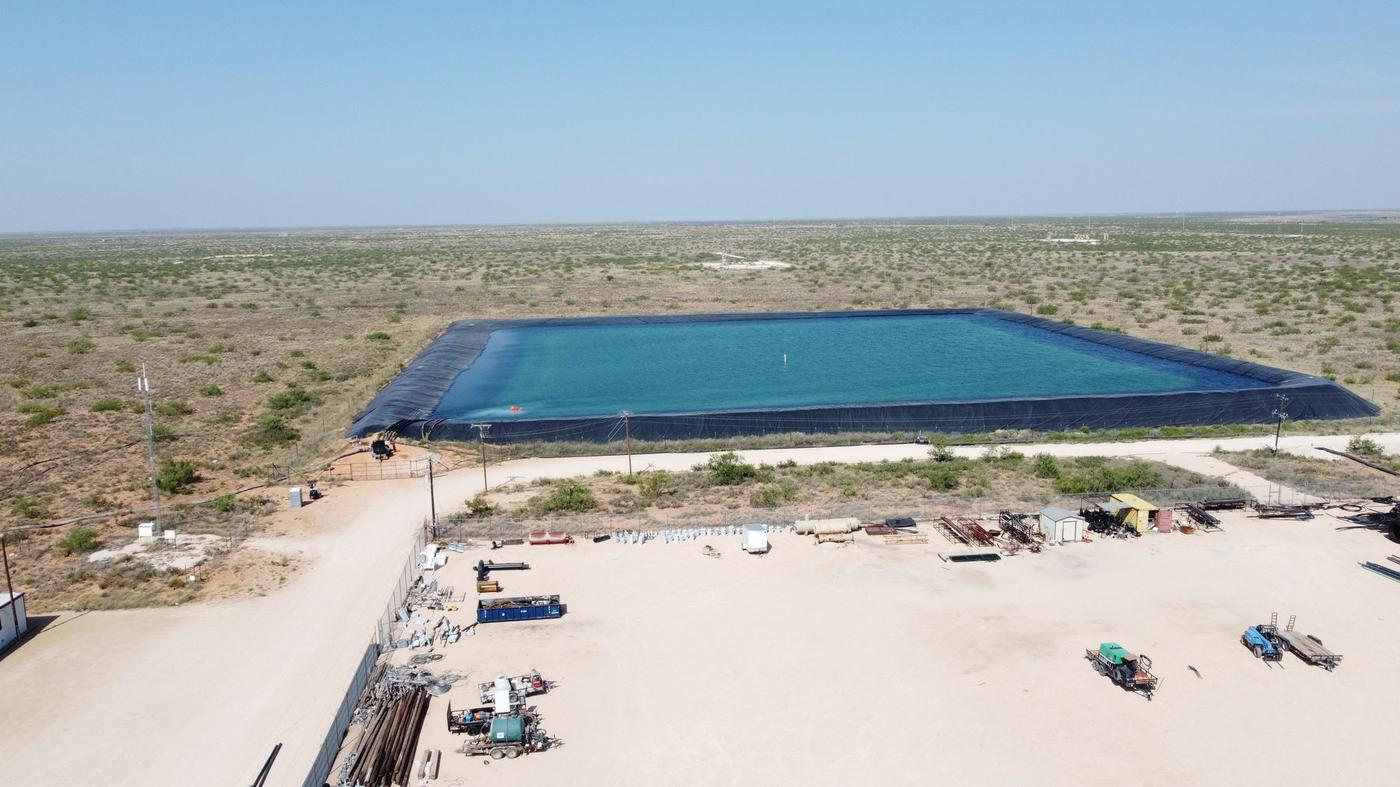
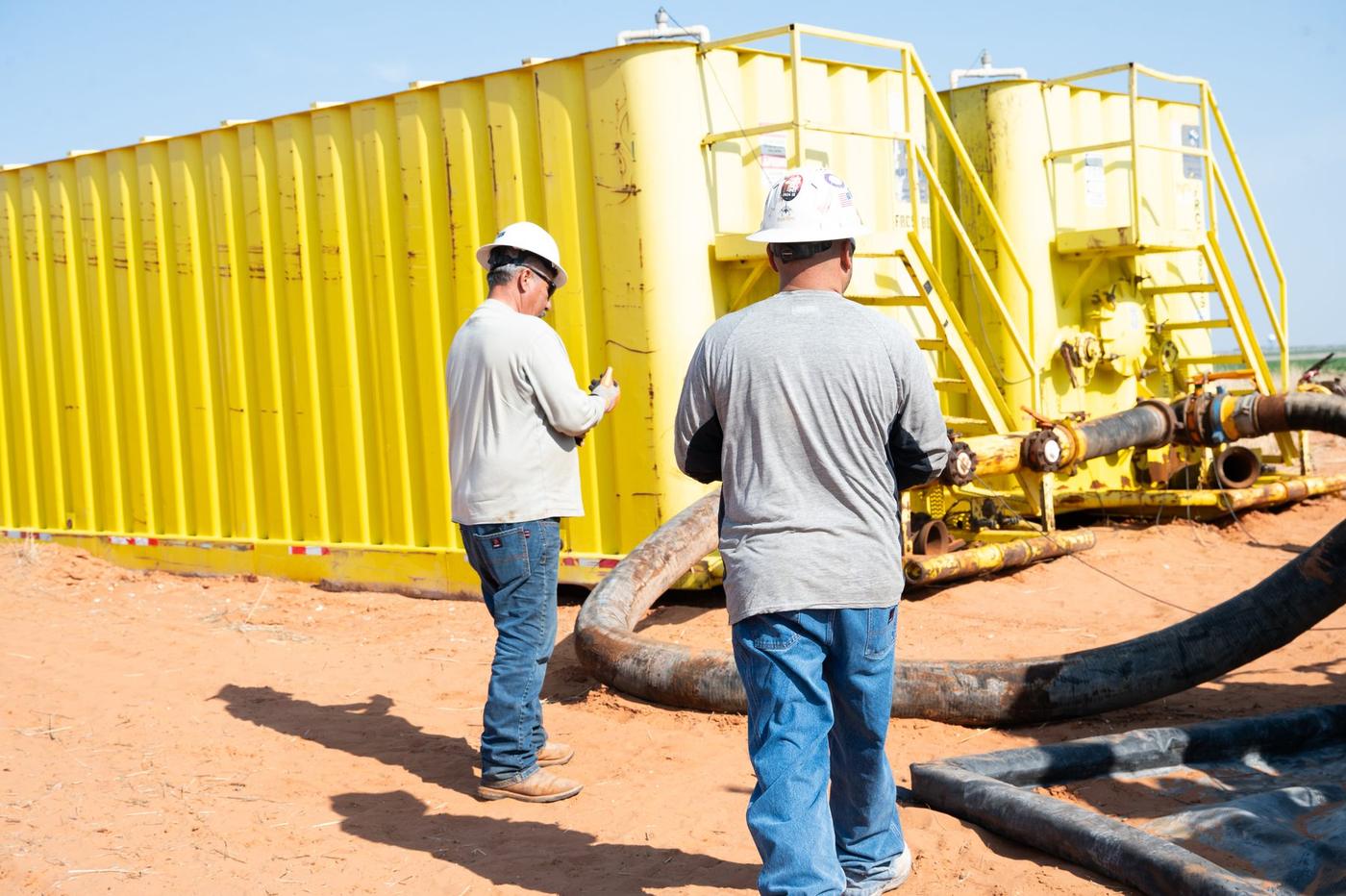
On a water transfer job, the person on the ground is the only one who can see the problem in time. A pressure reading moving the wrong way, a layflat line that has shifted on a crossing, a pit liner pulling at the anchor trench, a trailer backing toward a line nobody flagged. None of those wait for a call to Midland. Flowpoint’s field teams have the authority to make the call because the alternative is a rule that is technically in place and practically useless.
The Trust Problem, and How It Gets Solved
A crew learns whether stop-work authority is real the first time someone uses it and it costs the company money. If the lead who stopped the job gets a hard conversation about the schedule, every crew on the payroll hears about it, and nobody stops the job again.
So the answer is not a policy. It is a track record. Every stop gets treated as the crew doing their job, the reason gets reviewed at the next safety meeting so everyone learns from it, and the person who made the call never has to defend it twice. Over time, that record is what a crew trusts. Not the manual.
Why It Makes the Job Faster
The objection to stop-work authority is always time. Every stop is a delay, and on a completion where water starving the frac idles several crews at once, delays are expensive.
That math is backwards. A stop that catches a shifted line before it fails costs twenty minutes. The line failing costs the hours to find it, isolate it, repair it, and get water back to the pumps, plus whatever ran onto the ground in between. A crew that stops early runs the job with fewer events, and fewer events is the only way a water transfer job finishes on the schedule it was quoted.
The crews that stop the job when they should are the crews whose jobs do not stop for long.
What Operators Should Expect
When you are evaluating a water transfer contractor, ask three questions:
- Who on the crew can stop the job, and do they need to call anyone first?
- When was the last time a crew stopped a job, and what happened to the person who did?
- How does a stop get reviewed, and does the whole crew hear about it?
A contractor with real stop-work authority has answers to all three. One without will have the manual.
The Bottom Line
Stop-work authority is not a line in a safety program. It is a promise the company makes to the people on the ground, and it is kept or broken every time it gets used. At Flowpoint, the crew that can stop the job is the crew that finishes it.
Flowpoint Services provides water transfer, sourcing, treatment, and full-cycle water management across the Permian Basin. ISNetworld and PEC verified, with field teams that have the authority to make the call. Get in touch.