

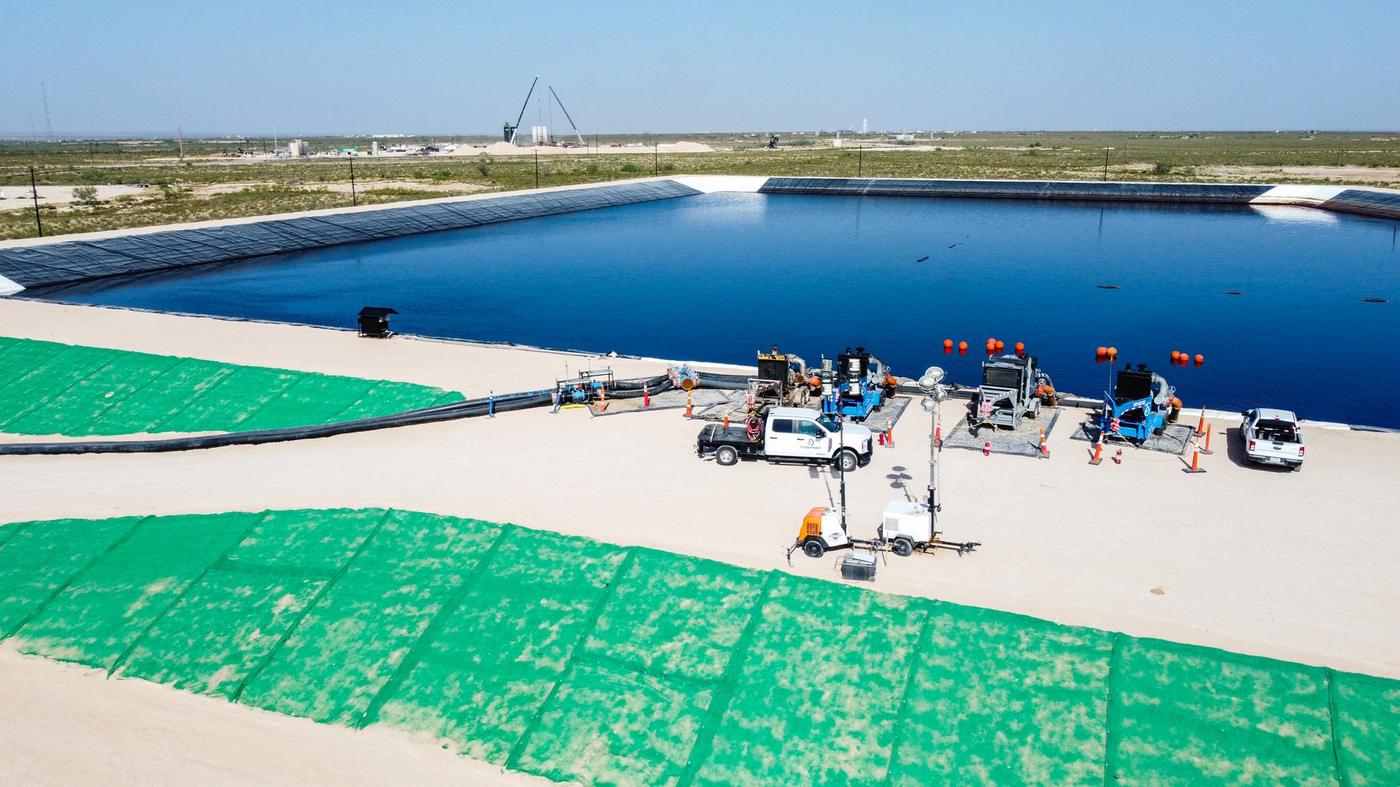
Hydraulic fracturing schedules don’t have a lot of give. When a completion is running, the expectation is that water is available, at spec, and moving. On-the-fly water treatment was built for exactly this environment.
What “On-the-Fly” Actually Means
Traditional water treatment happens offline — water goes into a treatment system, gets processed in batches, and then enters the transfer system. That works, but it adds a step that high-pace completions don’t always have room for.
On-the-fly treatment eliminates the batch step. Chemical treatment is applied to the water as it moves through the transfer system — continuously, in real time, calibrated to the specific chemistry of the water being treated. The job doesn’t stop. The water doesn’t wait.
How the System Works
Continuous chemical dosing. Rather than adding chemicals in fixed batches, the system applies precise chemical dosage based on live water chemistry readings. The amount and type of treatment adjusts as water quality varies — because produced water isn’t uniform, and treatment that works on barrel one doesn’t automatically work on barrel ten thousand.
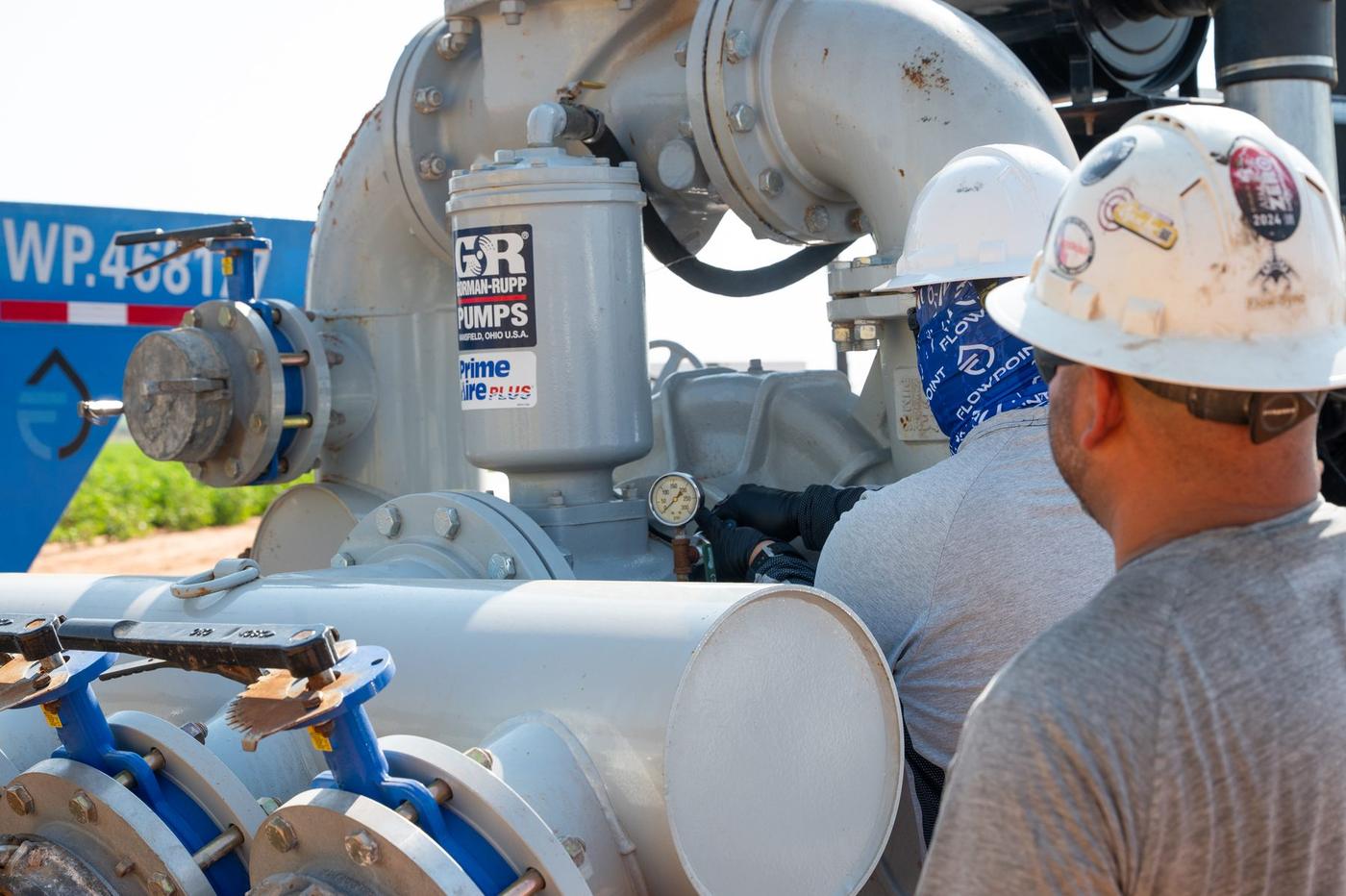
Real-time monitoring. Treatment performance is tracked live. Your team and Flowpoint’s crew have eyes on the chemistry data as it happens, so you know whether water is hitting spec before it gets to the wellhead — not after.
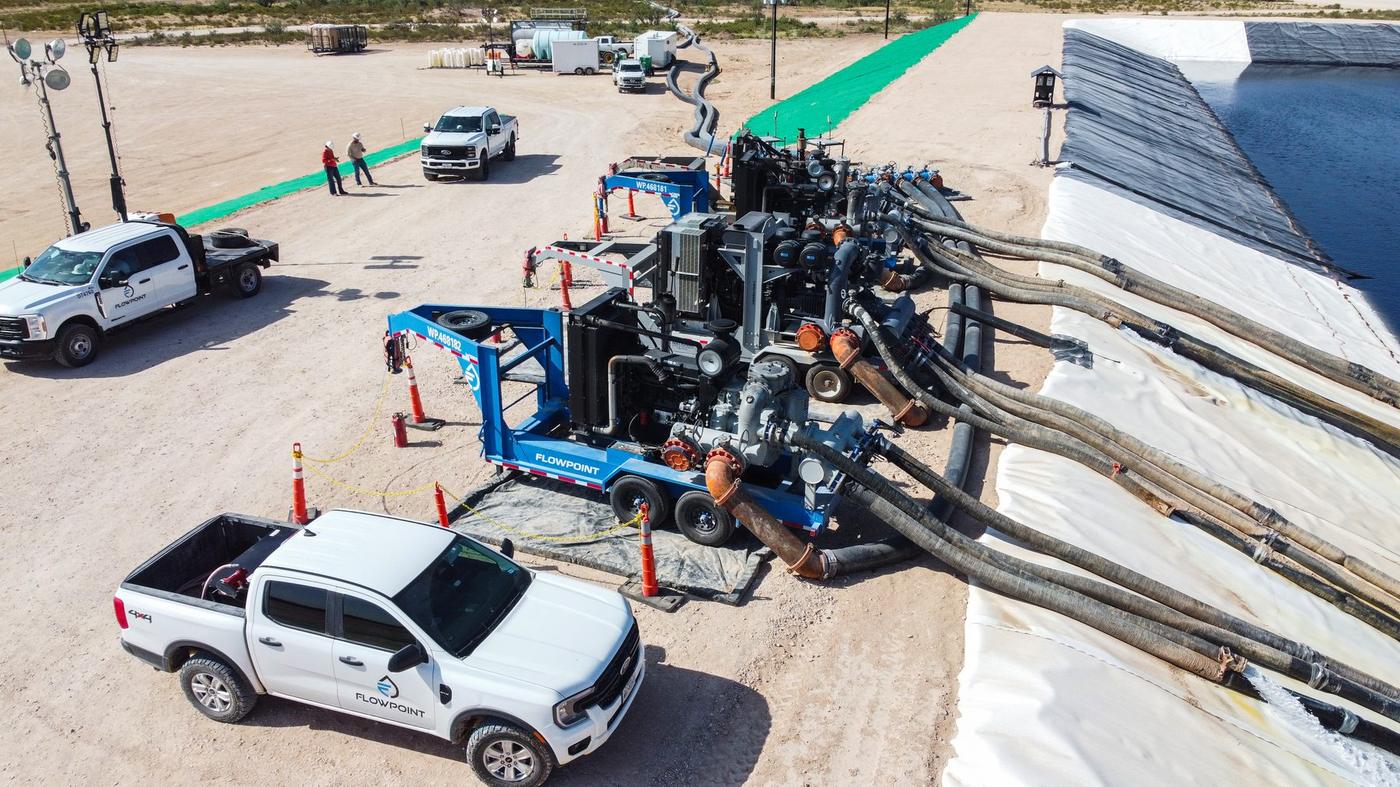
In-line integration. Because treatment happens in-line, it integrates directly into the transfer system already moving the water. There’s no separate process to coordinate, no separate timeline to manage.
When On-the-Fly Treatment Makes Sense
On-the-fly treatment is particularly well-suited for:
- Operations incorporating produced water into their frac program
- High-volume completions where the pace doesn’t leave room for offline treatment delays
- SimulFrac and TriFrac operations where water demand is continuous and the schedule is tight
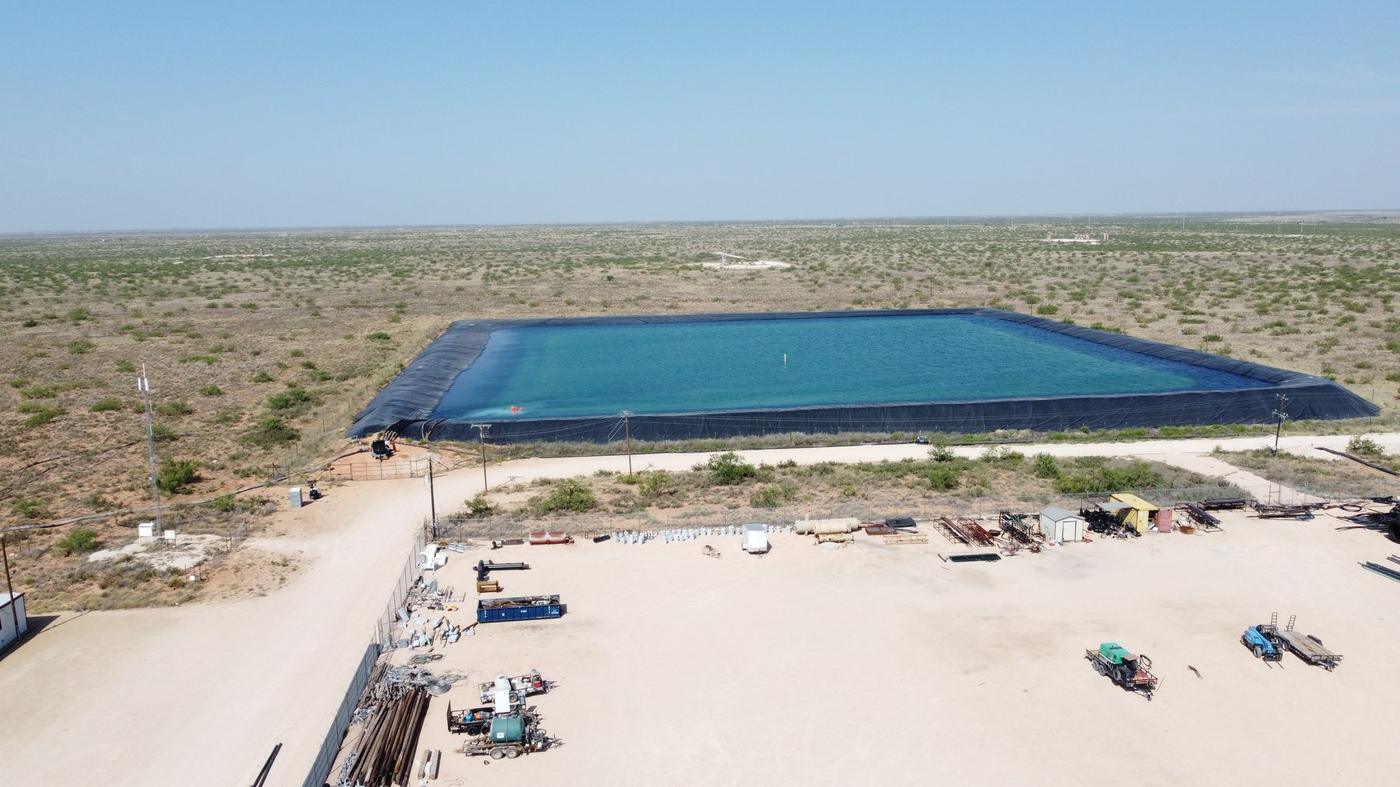
If you’re sourcing from a pit that mixes fresh and produced water, on-the-fly treatment is what keeps the chemistry consistent across the duration of the job.
What It Doesn’t Replace
On-the-fly treatment handles a specific and important part of the water management challenge. Water with more complex contamination profiles — high TDS, heavy metals, or other constituents outside normal produced water ranges — may require offline treatment or additional processing. The right call depends on the chemistry of your specific water.
That’s why real-time monitoring matters as much as the treatment itself. It tells you what you’re working with and whether what you’re doing is working.
The Bottom Line
If you’re incorporating produced water into your frac program and need it treated to spec without adding schedule complexity, on-the-fly chemical treatment is worth understanding. In the right application, it’s the difference between a water management operation that keeps pace with your completion and one that slows it down.
Flowpoint provides on-the-fly water treatment as part of a full suite of water management services for Permian Basin E&P operators. Get in touch.
.svg)

