

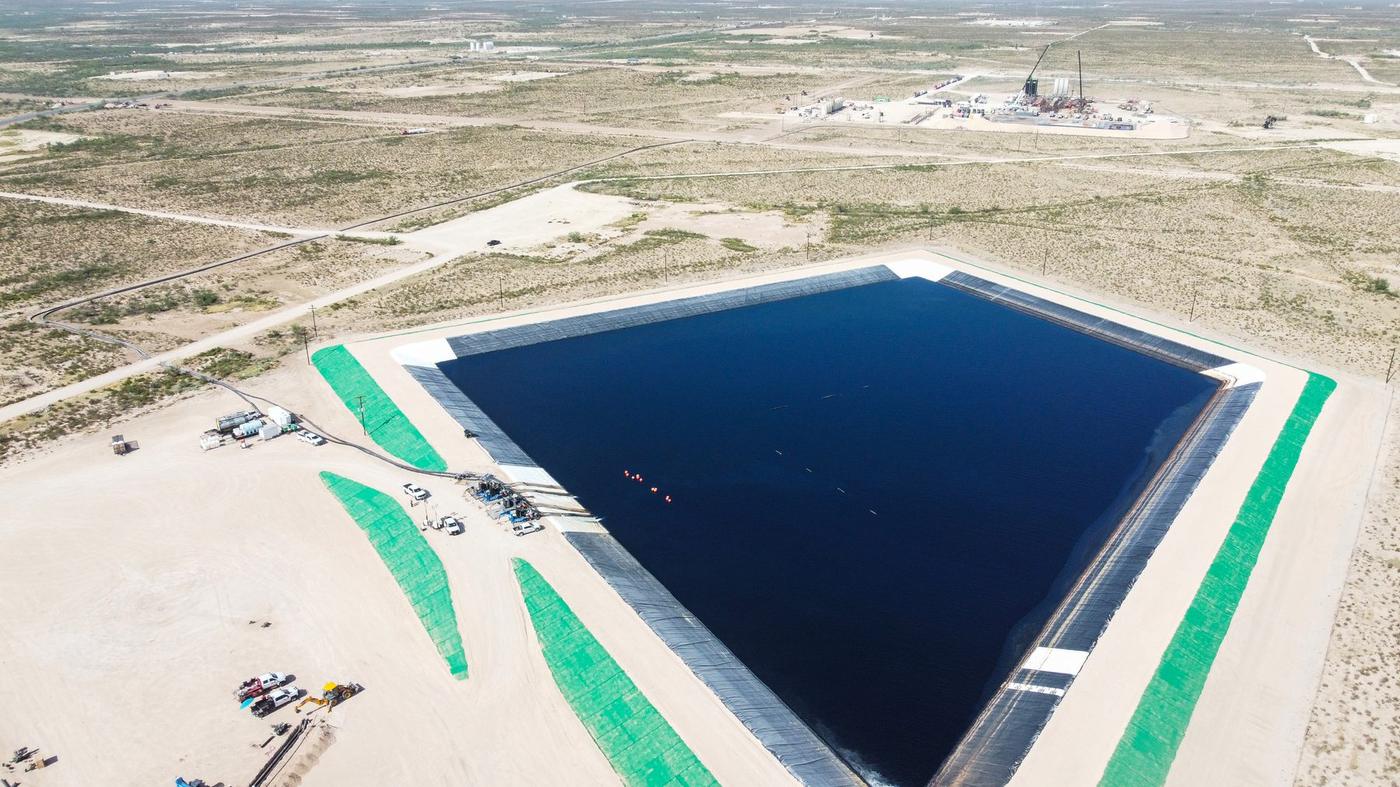
For most of the Permian Basin’s history, produced water was a problem to be managed quietly. You moved it, disposed of it, and hoped the line items stayed manageable.
That approach is running out of runway.
Produced water volumes in the Permian now exceed 20 million barrels per day. For every barrel of oil extracted, operators are typically managing three to five barrels of water — and in mature fields, that ratio can climb to ten or twelve to one. The volume isn’t a nuisance anymore. It’s a production constraint.
Why Produced Water Volumes Are Rising
The Permian Basin has become one of the most productive oil regions on earth in large part because of long-lateral horizontal drilling. Wells that once reached 8,000 feet now routinely extend to 12,000 feet.
Longer laterals mean more water produced per well over its lifetime. Water production in the Permian has roughly tripled since 2017. That trajectory isn’t slowing.
The Disposal Problem
Historically, the default solution was underground injection. That’s getting harder.
Disposal well capacity in some parts of the basin is constrained. Deep underground injection has been linked to induced seismicity — seismic events in the Permian surged roughly 1,500% between 2017 and 2022. Regulatory requirements for produced water recycling are becoming more common, signaling a shift in how the industry must approach water management.
This isn’t a distant regulatory concern. It’s a preview.
Why Recycling Is Gaining Ground
Produced water recycling addresses several problems at once. It reduces demand for fresh water sourcing. It reduces the volume going to disposal. It reduces regulatory exposure. And the economics are improving — as frac water demand stays elevated and disposal costs rise, the cost of treatment and recycling becomes increasingly competitive.
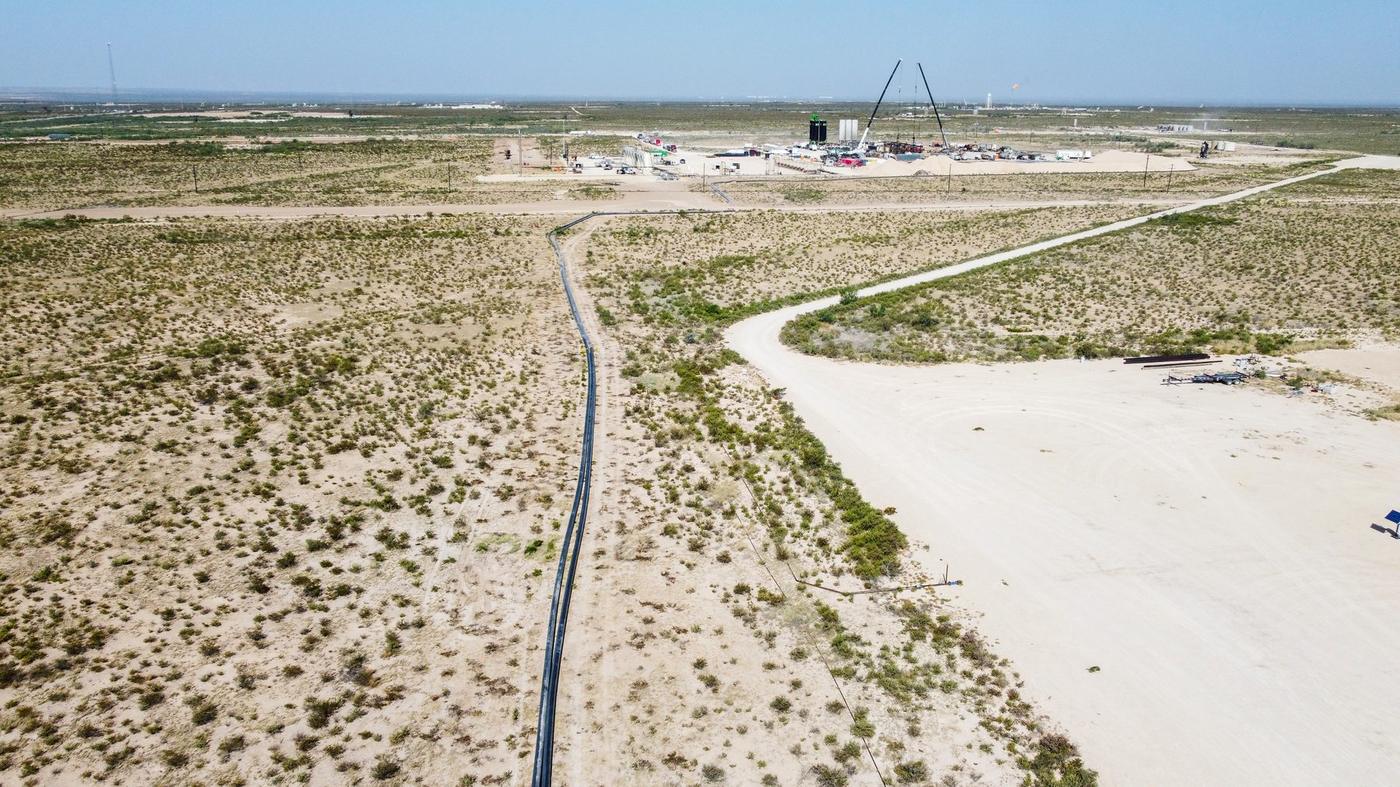
For operators with multiple wells in a concentrated area, produced water from existing production can become the frac water for new completions. That’s not a future scenario. It’s happening in the Permian now.
On-the-Fly Treatment: Recycling Without Stopping the Job
The practical challenge with produced water recycling has always been timing. Treating water offline adds schedule complexity that most completion operations can’t absorb.
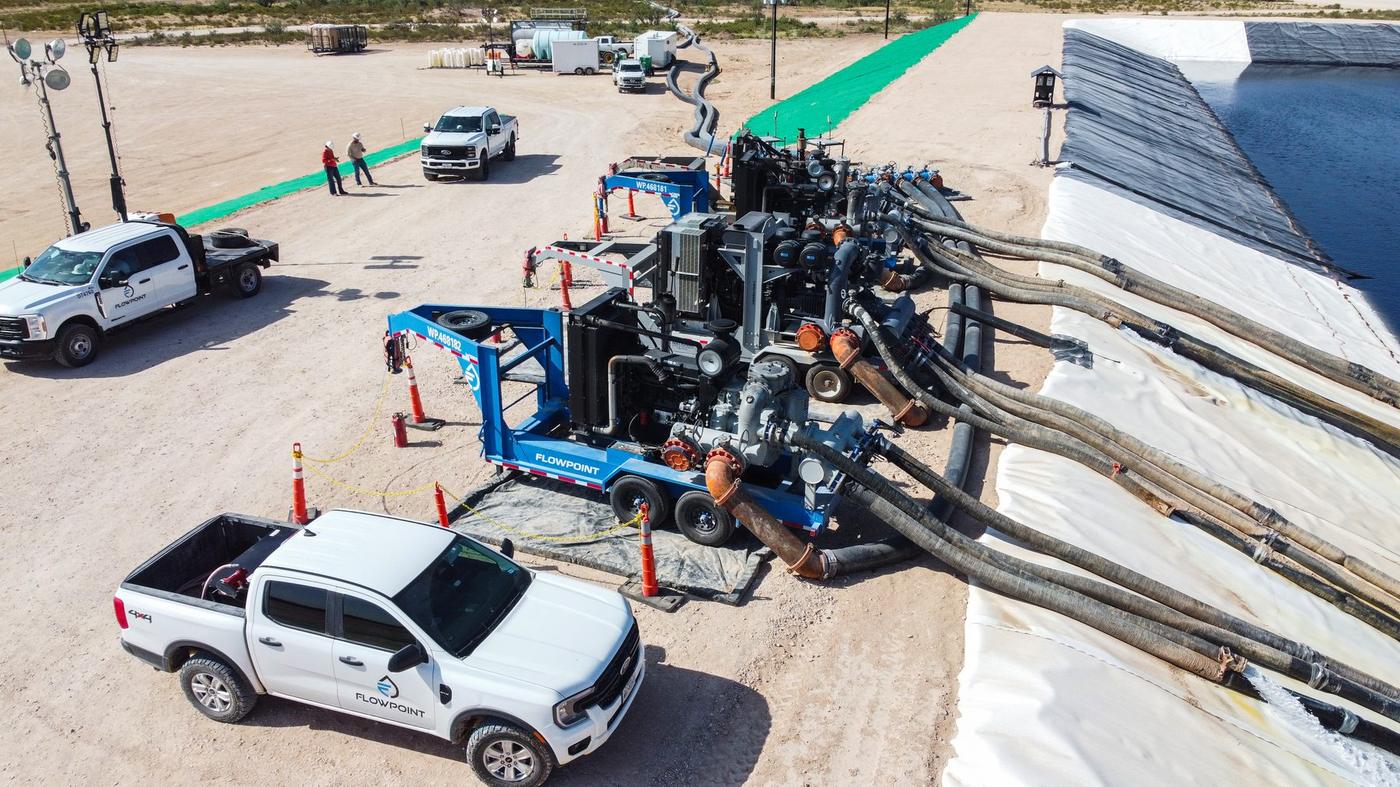
On-the-fly chemical treatment solves this. Treatment is applied continuously as water moves through the transfer system, with real-time monitoring confirming that water is hitting spec before it reaches the wellhead. For operators who want to incorporate recycled produced water without adding delays, on-the-fly treatment is the enabling technology.
What This Means for Permian Operators
74% of Texas oil and gas executives expect produced water management challenges to constrain Permian drilling activity over the next five years. The operators who will have the most flexibility are the ones building their produced water strategy now — not when disposal capacity forces the issue.
The companies treating produced water management as a strategic priority today are the ones who won’t be scrambling when the constraints tighten.
Flowpoint Services LLC provides full-cycle water management for E&P operators in the Permian Basin — water transfer, on-the-fly treatment, produced water recycling, pit management, and more. Get in touch.
.svg)

