

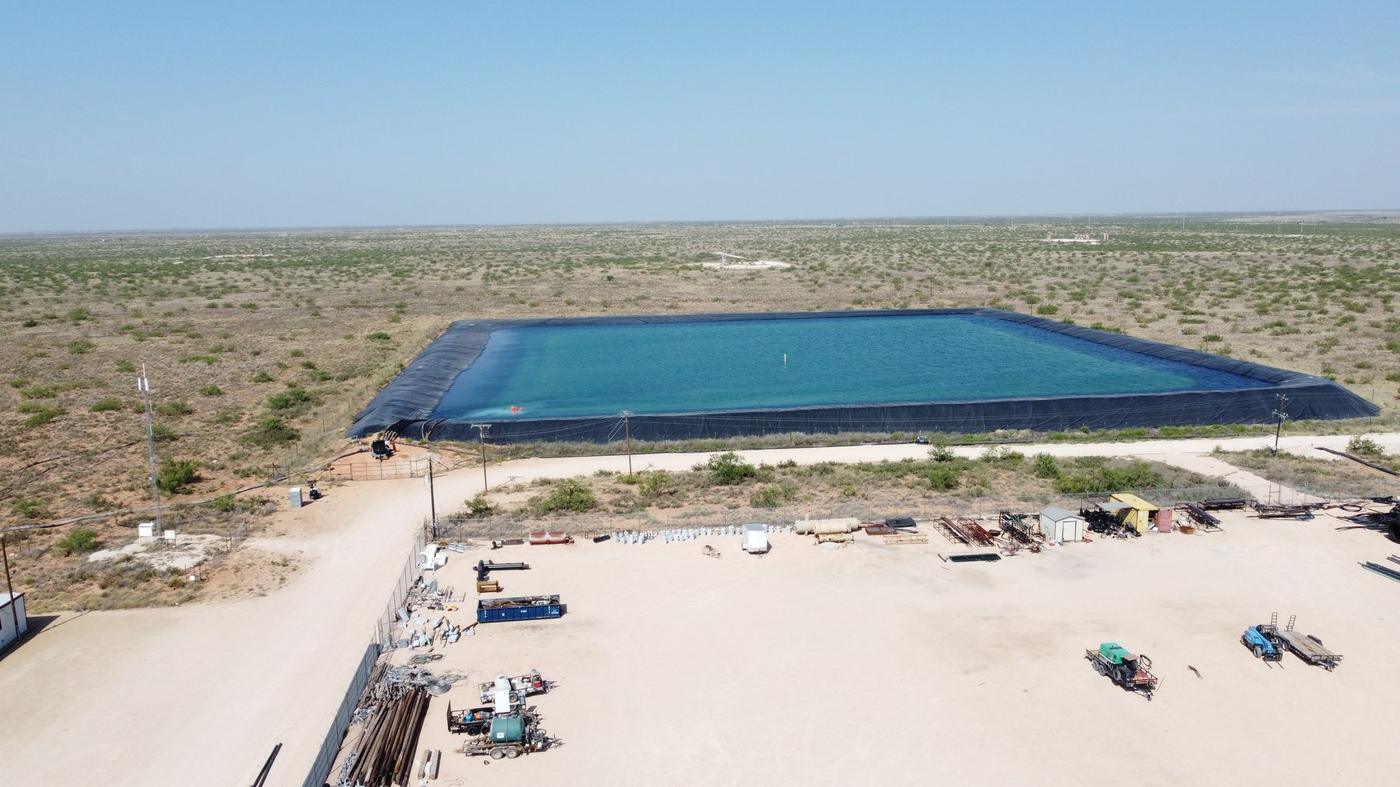
West Texas is one of the most productive oil regions on earth and one of the most water-scarce. Modern completions using longer laterals can consume 7 to 10 million gallons of water per well. In a region where surface water is limited and competition for available supply is high, securing that water isn’t as simple as turning on a tap.
Water sourcing is where a lot of completion schedules get into trouble — not because operators ignore it, but because they start it too late.
What Water Sourcing Actually Involves
Source identification. Not all water sources are equal. Groundwater, surface water, and recycled produced water each have different quality profiles, availability timelines, and permitting requirements. The right source depends on location, chemistry requirements, and how quickly you need access.
Permitting and water rights. Water rights in Texas operate under a complex legal framework that varies by water type and region. Surface water requires permits through TCEQ. Groundwater rights are administered by local groundwater conservation districts with their own rules and timelines. The permitting process takes time — it doesn’t happen on the timeline of a frac schedule.
Logistics and transport. Once a source is identified and permitted, water has to get from that source to your pad. This means transfer infrastructure, appropriate conveyance, and coordination with landowners along the route.
Quality assessment. Water going into a frac has to meet chemistry specifications. Source water quality varies, and the treatment required to hit spec depends on what you’re starting with.
Why Sourcing Needs to Happen Before You Need the Water
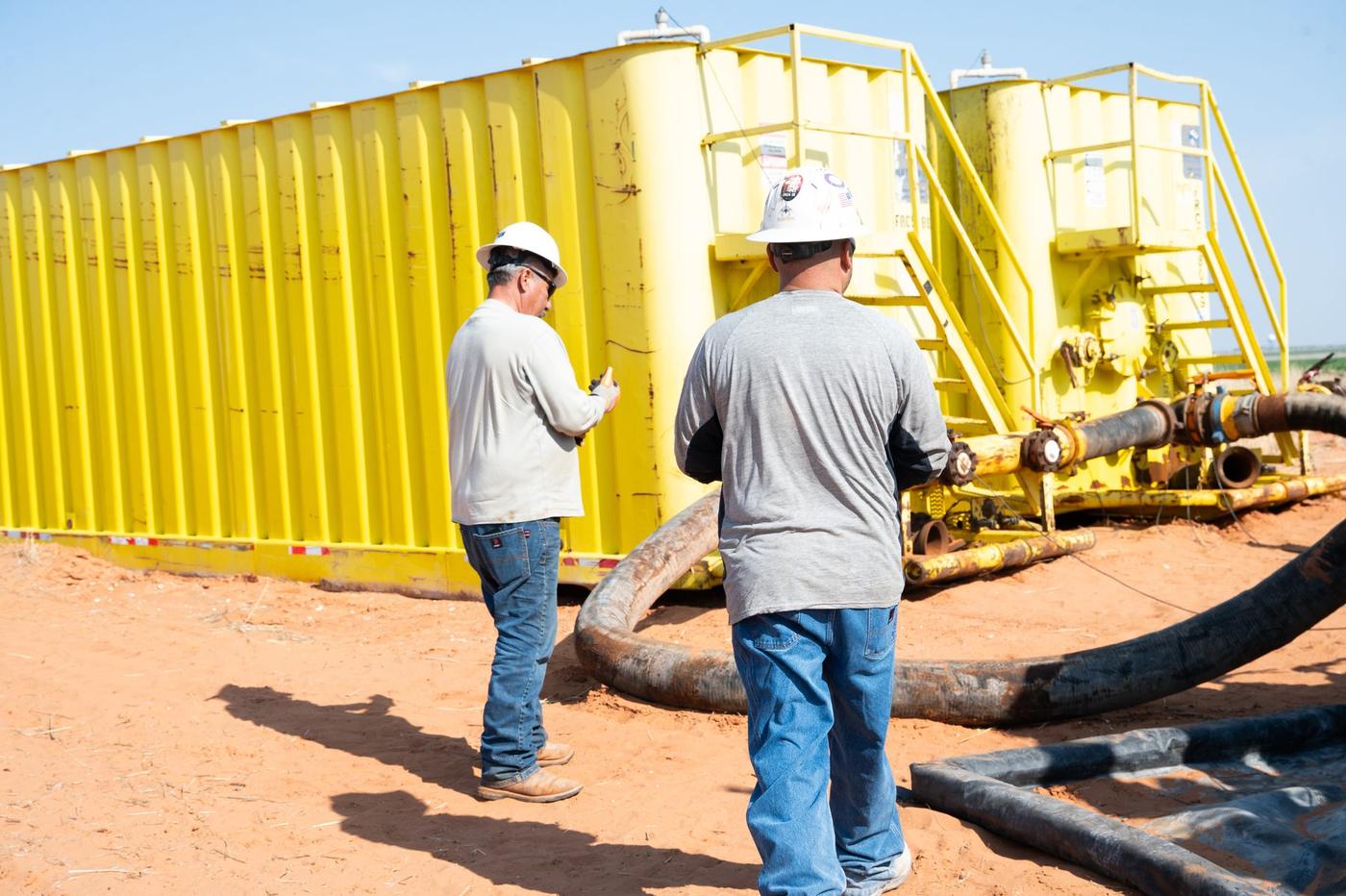
The most common mistake operators make with water sourcing is starting the process when the frac is already scheduled. Permitting timelines alone can run weeks. Add source assessment, infrastructure setup, and logistics coordination, and you’re looking at a process that requires a runway.
Operators who approach water sourcing reactively routinely run into timing problems. Operators who plan sourcing as part of completion planning — not as an afterthought — don’t.
The Produced Water Alternative
Fresh water isn’t the only option. Produced water that’s been treated to frac spec can substitute for fresh water in hydraulic fracturing — and in many Permian Basin applications, it already does.
For operators with multiple wells in a concentrated area, produced water from existing production can become the frac water for new completions. This reduces fresh water demand, reduces disposal volume, and can improve the overall economics of the water management operation. On-the-fly chemical treatment makes this practical without adding significant schedule complexity.
Coordinating the Full Picture
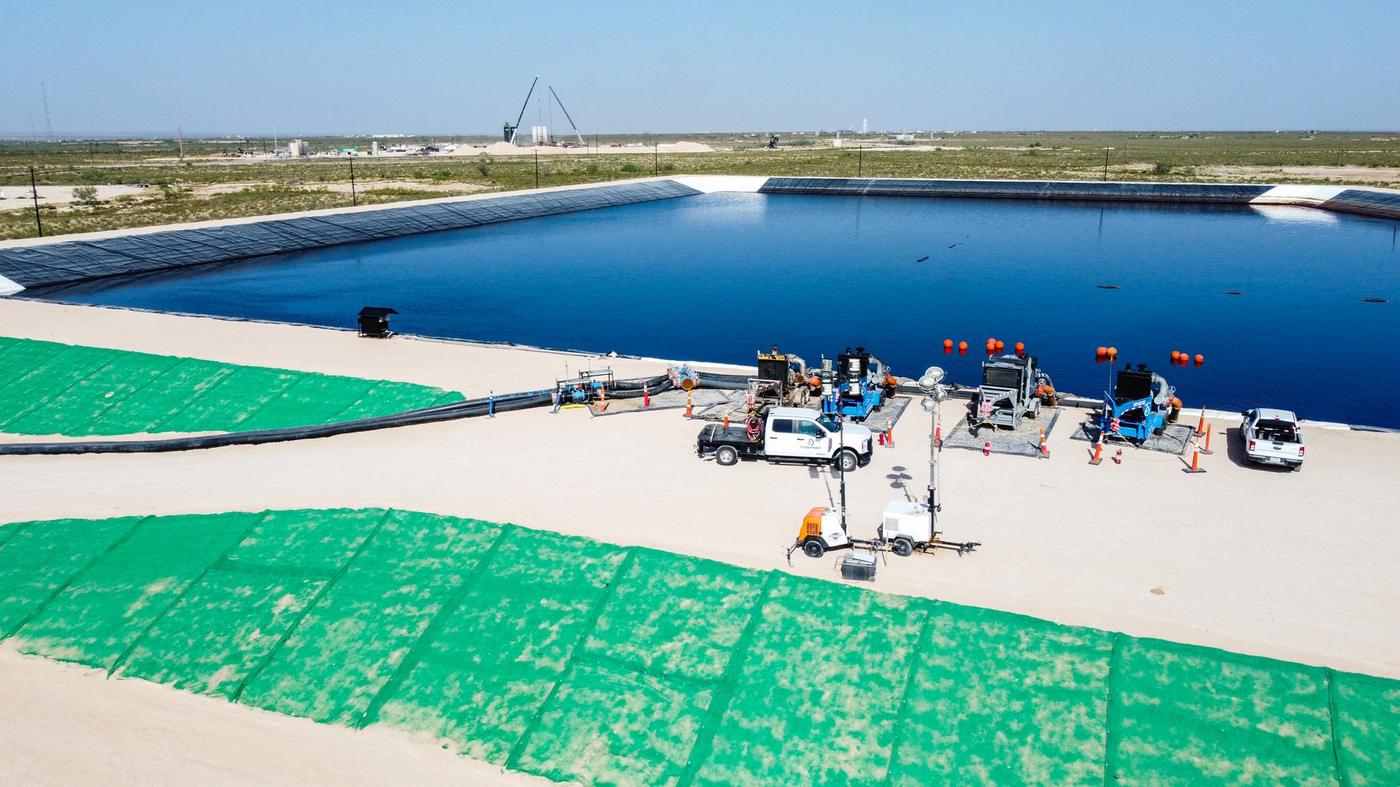
Water sourcing doesn’t exist in isolation. The source has to connect to a transfer system capable of moving the volume required, on the timeline required, with the monitoring in place to catch problems before they become schedule events.
That’s why sourcing is most effectively managed by a partner who handles the full chain — from source identification and permitting through transfer, treatment, and pit management.
Flowpoint provides water sourcing, permitting support, and full-cycle water management for E&P operators across the Permian Basin. Get in touch.
.svg)

